In the rich tapestry of mythology, the Vermilion Bird, a revered and mystical creature, has long captured the human imagination. As a supplier deeply involved in the world related to this legendary being, I often find myself delving into the fascinating lore surrounding its existence, especially the enigma of how it reproduces.
The Mythological Significance of the Vermilion Bird
The Vermilion Bird is a prominent figure in various mythologies, particularly in Chinese mythology where it is one of the Four Symbols representing the south, summer, and the element of fire. It is often depicted as a magnificent bird with vibrant red plumage, symbolizing good fortune, prosperity, and protection. In ancient texts and artworks, the Vermilion Bird is shown as a powerful and divine creature, guarding the celestial realm and bringing harmony to the world.
The Mystery of Reproduction
The topic of how the Vermilion Bird reproduces is shrouded in mystery and speculation. Unlike ordinary birds, the Vermilion Bird is a mythical being, and its reproductive process is not bound by the laws of nature as we know them. In mythology, there are several theories and stories that attempt to explain how this magnificent creature brings forth new life.
One theory suggests that the Vermilion Bird is an immortal being that does not reproduce in the traditional sense. Instead, it is believed to be reborn from its own ashes, much like the phoenix. This process, known as reincarnation or rebirth, is a common theme in many mythologies and symbolizes the cycle of life, death, and renewal. According to this theory, when the Vermilion Bird reaches the end of its life, it builds a nest of twigs and branches and sets itself on fire. From the ashes, a new Vermilion Bird emerges, more powerful and beautiful than before.
Another theory proposes that the Vermilion Bird reproduces through a divine union with other celestial beings. In some mythological stories, the Vermilion Bird is said to mate with the Azure Dragon, another of the Four Symbols, to create powerful and auspicious offspring. This union is seen as a symbol of the harmony and balance between the elements of fire and water, and the resulting offspring are believed to possess extraordinary powers and abilities.
Yet another theory suggests that the Vermilion Bird reproduces through a process of parthenogenesis, a form of asexual reproduction in which an organism can produce offspring without the need for fertilization. In this scenario, the Vermilion Bird is able to create new life from its own cells, without the involvement of a male partner. This theory is often associated with the idea of the Vermilion Bird as a symbol of purity and divine femininity.
Cultural Depictions and Interpretations
The mystery of the Vermilion Bird's reproduction has been a popular subject in art, literature, and other forms of cultural expression. In Chinese paintings and sculptures, the Vermilion Bird is often depicted as a solitary creature, soaring through the sky or perched on a branch, with no signs of offspring or a mate. This portrayal emphasizes the bird's independence and divine nature, and suggests that its reproductive process is beyond human comprehension.
In literature, the Vermilion Bird's reproduction is often used as a metaphor for the creation of art, knowledge, or spiritual enlightenment. For example, in some ancient Chinese poems, the Vermilion Bird is compared to a poet or a sage, who is able to give birth to new ideas and insights through a process of self-reflection and inspiration. This interpretation highlights the creative and transformative power of the Vermilion Bird, and suggests that its reproductive process is not just about physical procreation, but also about the generation of new forms of life and meaning.
The Role of the Vermilion Bird in Modern Culture
In modern culture, the Vermilion Bird continues to be a popular symbol of power, beauty, and good fortune. It is often used in advertising, fashion, and other forms of popular culture to represent luxury, elegance, and exclusivity. As a supplier, I am proud to be associated with this legendary creature, and I strive to offer products and services that capture the essence of its mythical allure.


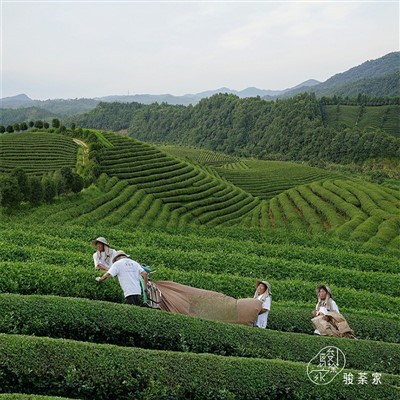
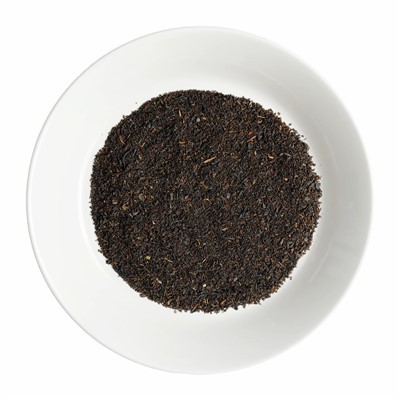
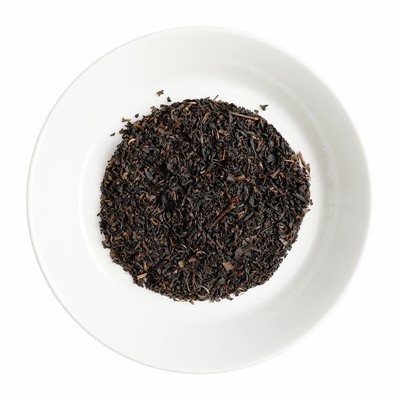
One of the products that I offer is a range of high-quality teas inspired by the Vermilion Bird. These teas, including Da Hong Pao Oolong, Jin Mudan Oolong, and Original Fragrance Black Tea B, are carefully selected and blended to offer a unique and unforgettable taste experience. Each tea is infused with the spirit of the Vermilion Bird, and is believed to bring good luck, health, and prosperity to those who drink it.
Conclusion
The mystery of how the Vermilion Bird reproduces in mythology is a fascinating topic that has intrigued people for centuries. While there is no definitive answer to this question, the various theories and stories that surround it offer a glimpse into the rich and complex world of mythology and the human imagination. As a supplier, I am honored to be a part of this legacy, and I am committed to sharing the beauty and magic of the Vermilion Bird with the world.
If you are interested in learning more about our products or would like to discuss a potential purchase, please feel free to get in touch. I would be delighted to hear from you and to help you discover the wonders of the Vermilion Bird.
References
- Chinese Mythology: An Introduction, by John S. Major
- The Four Symbols in Chinese Mythology, by Li Fang-Kuei
- Mythical Creatures of the World, by Carol Rose